24 July 2026

interpersonal skills for res

Key Interpersonal Skills for Your Resume With Examples

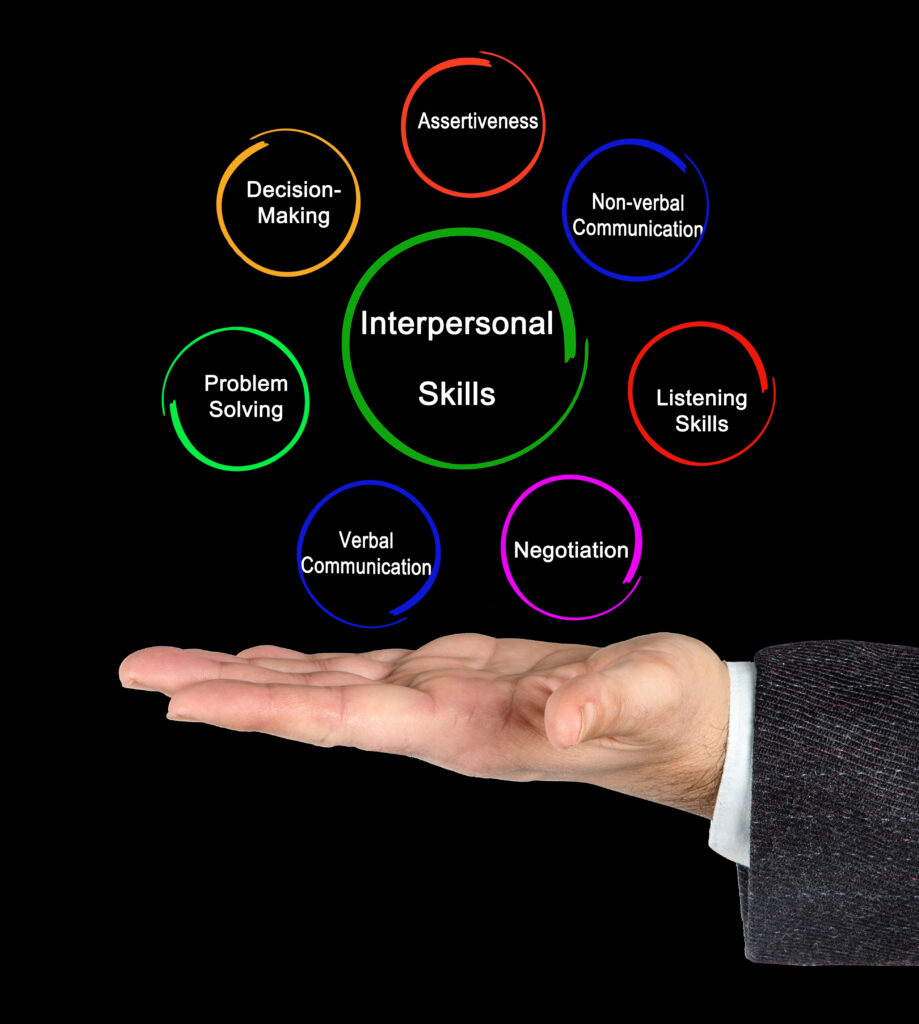
Technical qualifications may help you meet the minimum requirements for a job. Still, your ability to communicate, collaborate, listen, resolve conflict, and build trust often determines how effectively you perform the job. The right interpersonal skills for resume show employers how you work with colleagues, customers, managers, patients, suppliers, and other stakeholders. A strong resume

Key Interpersonal Skills for Your Resume With Examples Read More »

Why Would You Like to Work for Us? Best Answers and Examples

“Why would you like to work for us?” is a common interview question designed to test your preparation, motivation, and understanding of the role. A strong answer should show that you have researched the organization, understand what the position involves, and can explain how your skills will help the employer achieve its goals. Avoid giving

Why Would You Like to Work for Us? Best Answers and Examples Read More »

Optometry CV Example, Skills, and Writing Guide

A strong optometry CV should show more than your ability to perform eye examinations. It should demonstrate how you diagnose visual and ocular conditions, manage patients, use diagnostic technology, collaborate with healthcare professionals, and support positive clinical outcomes. Whether you are a newly qualified optometrist, an experienced clinician, or a practice leader, your CV must

Optometry CV Example, Skills, and Writing Guide Read More »

What Font Should a Resume Be In? Best Fonts and Sizes

Your resume font may seem like a minor design choice, but it directly affects readability, professionalism, and how quickly employers can identify your qualifications. So, what font should a resume be in ? The safest choices are clean, professional, easy-to-read fonts such as Arial, Calibri, Cambria, Georgia, Helvetica, Garamond, or Verdana. In most cases, use

What Font Should a Resume Be In? Best Fonts and Sizes Read More »

Figurative Language Definition: Types, Examples, and Uses

Figurative language makes writing and speech more vivid by communicating ideas in a creative, nonliteral way. Instead of stating information directly, it uses comparisons, exaggeration, sound, imagery, and association to help an audience understand or feel something more deeply. A simple figurative language definition is: Figurative language is the use of words or expressions in

Figurative Language Definition: Types, Examples, and Uses Read More »

Shopping Basket